Identity: What does it really mean?
The subject of identity has been a common topic for as long as I can remember, whether it be through sentiments such as “It’s how you see yourself that matters” or the growing discussion and debate about gender identity.
But what is identity all about and does it really matter?
There’s no doubt that each of us has an identity beyond a handful of personal details on a birth certificate or passport. We are more than a name, date of birth and document serial number. But how do we construct or deconstruct our identities as we see them, and how integral are they to who we are?
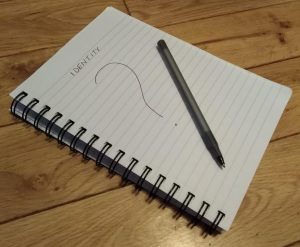
What’s important when it comes to identity?
There are many attributes that can be associate with our identities, from the families we belong to, where we were born and our racial background and heritage, to the jobs we do, organisations to which we belong and perhaps a sense of status that certain roles or positions bring.
But should we be defined by any one of those things? The answer, I think, is a clear no. After all, if you identity lies in you being CEO of a successful company, what does that mean for your sense of self worth if that business hits tough times and folds? If your identity is as a social influencer (When did that become a thing?), what happens when your followers drop away in search of the next big deal?
Perhaps you are not career minded and prefer to focus your energy into community projects, giving your time to support good causes. But if your identity lies in the roles you play in those organisations, what does it do to your sense of self when life’s circumstances change and you can no longer fulfil those roles.
What if you’ve always been or wanted to be a top surgeon but you didn’t make the grade or, having reached your goal, you had to give up the position because of health or other circumstances. Does the fact that you’re no longer in that role make you worthless? Clearly not.
When I think back through the things I’ve done and positions I’ve held over the years that could be seen to make up my identity, I realise how fluid life is. Jobs change. Families change. Changing circumstances in one area of life can change others.
For 13 years I’ve worked as a journalist. It’s been a big part of who I am, and there’s no doubt it’s a big – if not the biggest – part of how many people see me. Yet for nearly six months I haven’t so much as written a news story professionally, made a media enquiry or looked at a press release. On paper I am still a full-time journalist but in practice my days are occupied by fulfilling the newest role that helps to shape my identity – being a mum.
I could now identify first and foremost as a mum. There’s no doubt it’s a great thing to be. But should my whole identity be as a sick-covered, sleep-deprived, regularly-milked, nappy-changing giver of hugs? (Spoiler alert: It won’t fit on the superhero cape) If it is, what does that mean as time passes and I’m no longer needed to change nappies or be a human sick sponge, or – and this might be more of a wrench if I’m honest – when my child no longer looks to me for the regular cuddles that currently help her feel safe and secure? And what does is mean for the identities of those who aren’t parents?
Over time, each of us will see many shifts in what makes up our lives and, to a greater or lesser extent, our individual identities. But there is one thing that we all have in common. Each of us was made by God as a unique human being, created to serve a unique purpose within His perfect plan.
Discovering that purpose might be something of a challenge, and we may face twists and turns along the way as we realise that our idea of the path our lives should take doesn’t quite concur with His. But sharing that common heritage gives us a common privilege – the opportunity to identify as His.
We are all, whether we realise it or not, made by God and made in His image. And He gives each of us the chance to identify as children of God and followers of His Son Jesus.
And when life’s circumstances shake and shatter anything and perhaps everything else about us, that most important aspect of our identity is the one thing that cannot and will not change. All we have to do is believe in Him, ask Him into our lives and hearts, and be willing to follow as He leads us into the identity He always intended us to have.
As John chapter 1, verse 12 tells us, “But as many as received Him, to them He gave the right to become children of God, even to those who believe in His name.”
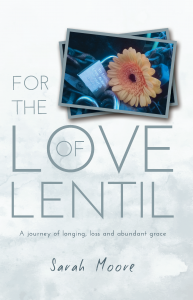 Sarah Moore is the author of For the Love of Lentil, A journey of longing, loss and abundant grace, which tells the story of her experience of pregnancy and miscarriage. Copies of the book are available here.