Why World War One was never going to be the war to end all wars
There is really only one thing I can write about this week.
This weekend marks the centenary of the day the guns fell silent to mark the end of World War One. Across the country, events are being held, quite rightly, to commemorate this momentous event – along with all the men and women who have dedicated themselves to serving in this conflict and all those that have followed it.
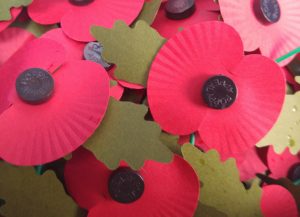 The nation will remember brave men, and later women, who went to war and never came home – some of them little more than children when they made the ultimate sacrifice. And we will remember those who have returned from war zones but have been forever changed, physically and/or psychologically by their experiences, as well as the civilians who have become casualties of war along the way.
The Great War, as it was called, was said to be the war to end all wars, yet there have been many since. And in recent years we have seen the face of conflict change, with terrorist atrocities making unsuspecting civilians the target in political disputes waged outside traditional declarations of war.
Many people, unsurprisingly, campaign for peace – a world free from the death and destruction that war brings. And yet, war is an inevitable part of life on this fallen planet. In a world in which God gave mankind free will and man repaid him by seeking to take control, conflict is an unavoidable part of life.
In the Bible, Ecclesiastes chapter 3 tells us: “There is a time for everything, and a season for every activity under heaven: …a time for war and a time for peace.”
And at the very end of the Bible, the book of Revelation describes the destruction – including war – that will permeate the final years before the Earth we know comes to an end.
In an ideal world conflict would not exist, World War One – if it had to happen – really would have been the war to end all wars, and all mankind would live happily and harmoniously.
However, we live in a world that is far from ideal and, sadly, that utopian vision will never be fulfilled this side of a new heaven and new earth.
So, while we take time this weekend to honour and remember all those who have given themselves – in many cases their whole selves – to serve us in wars and conflicts of all kinds over the years, let us not forget the part we all have to play in avoiding getting caught up in the ultimately meaningless conflicts that can so easily absorb us in our day-to-day lives and instead keep our focus on the things – and with that the conflicts – that truly matter in this world, and keep our ultimate focus on the Lord who, as Jeremiah 29:11 tells us, is working all things together for the good of those who love Him.
That conflict will come is inevitable. How we respond to that conflict is down to us.
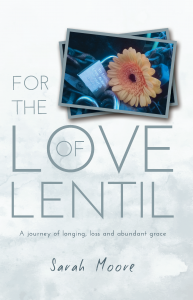 Sarah Moore is the author of For the Love of Lentil, A journey of longing, loss and abundant grace, which tells the story of her experience of pregnancy and miscarriage. Copies of the book are available here.
Wise Words Sarah